
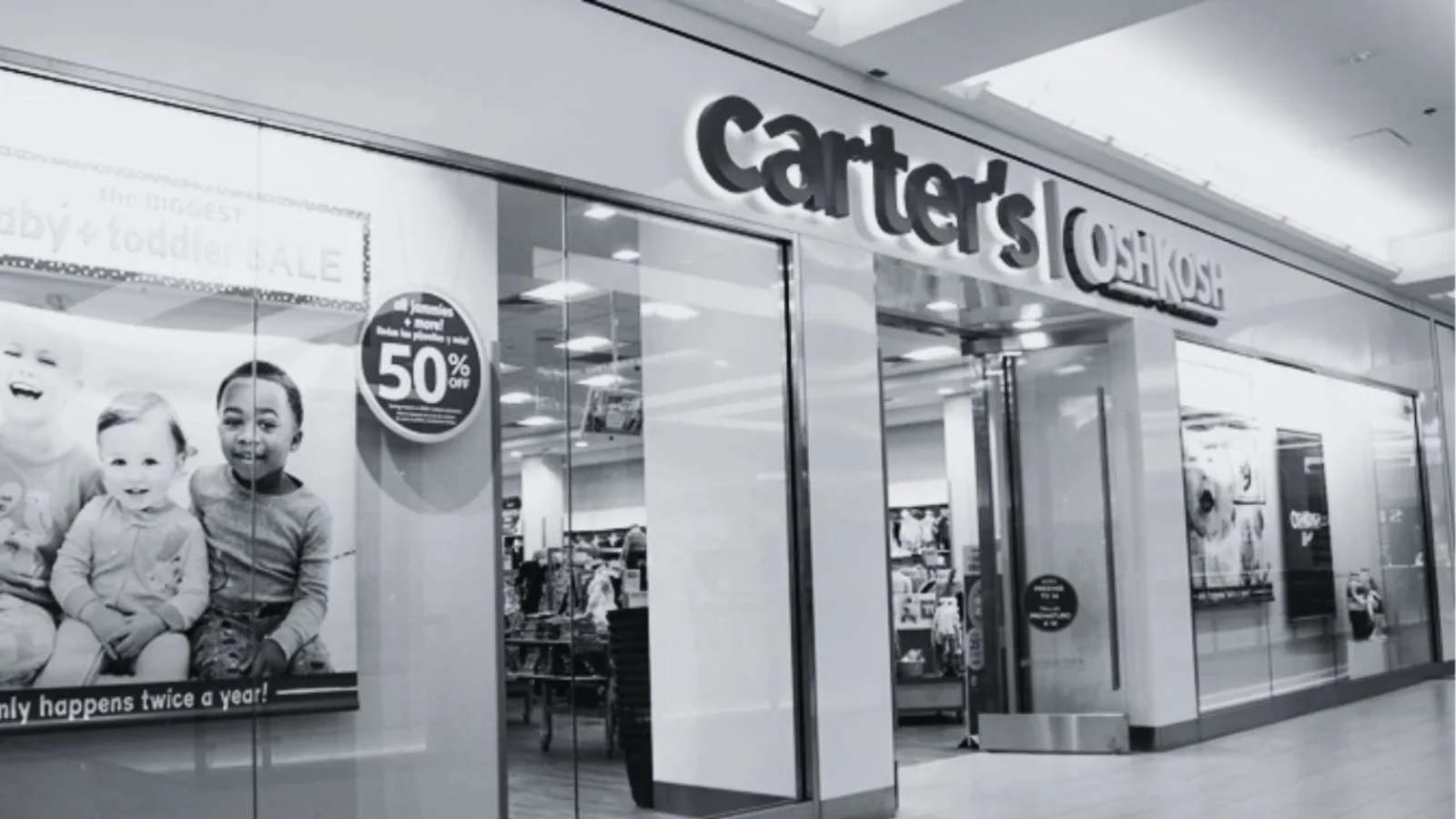
If you’ve seen headlines about Carter’s closing stores and cutting jobs, it’s reasonable to wonder whether the brand is disappearing entirely. Parents and regular shoppers have good reason to pay attention. But the short answer is: Carter’s is not going out of business.
This article breaks down exactly what Carter’s has announced, why it’s happening, and what it means for customers, employees, and the brand’s future.
Carter’s Is Not Going Out of Business — Here Is What Is Actually Happening
Carter’s, Inc. is the largest baby and children’s apparel company in the United States. It also owns OshKosh B’gosh and operates a significant number of stores across North America, alongside a strong online presence and wholesale partnerships.
The company has announced plans to close approximately 150 stores across North America over the next three years. That is a meaningful reduction — but it is not a full shutdown. No bankruptcy has been filed. No liquidation has been announced.
Carter’s has described these moves as “productivity improvement actions” and a process of “right-sizing” the business. The company will continue operating through its remaining stores, outlet locations, its website, and wholesale partners such as big-box retailers.
In plain terms: the brand is getting smaller in its physical footprint, not disappearing from the market.
The Scope of the Store Closures and Job Cuts
Here are the specific figures that have been confirmed across multiple sources:
- Approximately 150 low-margin stores will close across North America over the next three years.
- Around 100 of those closures are expected to happen during fiscal years 2025 and 2026.
- Most closures will align with lease expirations, meaning they won’t all happen at once.
- Approximately 300 office-based positions will be eliminated, representing roughly 15% of corporate roles.
- Board member salaries have also been reduced as part of the broader cost-cutting plan.
- Carter’s has paused new U.S. store openings under its current retail model.
Carter’s has not publicly listed the specific stores scheduled to close. If you’re wondering about a location near you, the safest approach is to monitor the company’s website or contact the store directly as conditions evolve.
The company also projects that these changes will generate approximately $35 million in annual savings.
Why Carter’s Is Closing Stores and Reducing Its Workforce
Several factors are driving these decisions, and it’s worth understanding each one clearly rather than pointing to a single cause.
Import Tariffs Are a Major Pressure
Carter’s sources much of its product from overseas. Tariffs imposed on imports have significantly increased the company’s cost structure. The company expects tariffs to add $200 to $250 million in import costs in 2025 alone.
Tariffs are also projected to reduce fourth-quarter earnings by an estimated $25 to $35 million. That is a substantial hit to margins in a single quarter.
To put this in practical terms: when a business faces a sharp and sustained increase in operating costs, reducing lower-performing commitments is a standard financial response. It’s similar to a household that sees its monthly expenses rise significantly — the logical step is to cut non-essential costs before the situation worsens.
A Sharp Drop in Net Income
Carter’s reported an over 80% decline in net income for a recent quarter, falling from $58.3 million to $11.6 million. That kind of drop signals real financial pressure and explains why the company is moving quickly to reduce costs.
Broader Cost and Operational Pressures
Tariffs are not the only factor. Carter’s has also cited the need to invest in product competitiveness and improve overall operational efficiency. Rising expenses across the business — beyond just import costs — are contributing to the decision to streamline the organization.
The store closures and job cuts are intended to protect what remains of the company’s profitability, not to wind the business down.
What “Low-Margin Store” Means and Why Those Locations Are Targeted First
You may have seen the phrase “low-margin stores” used frequently in coverage of Carter’s closures. It’s a term worth understanding, especially if you don’t have a business background.
A low-margin store is one where the revenue it generates does not meaningfully exceed the cost of running it. Rent, staff wages, utilities, and logistics all factor in. When a store barely breaks even — or actually loses money — keeping it open makes the company’s overall financial position worse.
Closing those locations reduces what’s sometimes called financial drag. The brand’s most profitable stores and channels — high-traffic outlets, strong online sales, and wholesale partnerships — can continue performing without being weighed down by underperforming leases.
This is a well-established practice in retail. Many large chains have closed hundreds of locations over time while continuing to operate successfully. The decision to close a store does not mean the company is failing — it means the company is choosing where to focus its resources.
Carter’s closures fit this pattern. The company is reducing its footprint where returns are weakest, not exiting the children’s apparel market.
What This Means for Customers
For parents and caregivers who shop at Carter’s regularly, the practical impact depends largely on where you shop and how.
If your closest Carter’s is located in a mall or smaller market, there is a reasonable chance it could be among the locations affected — particularly if its lease is approaching expiration. However, Carter’s will continue to sell through surviving stores, outlet locations, its website, and retailers that carry its products.
One additional change to be aware of: Carter’s has stated plans to reduce its product assortment by 20 to 30 percent. This means shoppers may see fewer style options or color variations in certain categories. The focus is expected to shift toward core, best-selling products. This plan has been announced but has not been fully implemented as of current reporting.
For customers who primarily shop online or through wholesale partners, the experience may change very little in the near term.
What This Means for Employees
The human side of this restructuring is significant. Around 300 office-based employees are expected to lose their jobs, representing roughly 15% of Carter’s corporate workforce. These are not store-level positions — they are roles at the company’s headquarters and administrative operations.
Store-level employees at closing locations will also be affected, though the timeline for individual store closures will vary based on lease schedules.
Board members have also taken salary reductions, which signals that cost discipline is being applied across all levels of the organization, not just frontline roles.
Is Carter’s at Risk of Bigger Problems?
It is fair to ask whether these closures could be the beginning of a larger financial deterioration. The honest answer is that no one can guarantee what the future holds — but based on current reporting, Carter’s is restructuring rather than collapsing.
The company is not in bankruptcy. It has not announced liquidation. Its actions are consistent with what other retailers have done when facing sustained cost pressure: reduce the physical footprint, cut overhead, and focus on channels that generate better returns.
For context and broader business analysis on retail restructuring trends, resources like TheBizAngle cover how companies across industries navigate cost pressures and strategic shifts.
That said, the situation is ongoing. Tariff policy, consumer spending patterns, and Carter’s own financial performance in coming quarters will all influence what happens next. Shoppers and observers should watch future earnings reports and any additional announcements from the company.
The Bottom Line
Carter’s is not going out of business. It is closing approximately 150 stores over three years, cutting around 300 corporate jobs, and trimming its product range — all in response to rising import costs, a sharp drop in net income, and the need to improve operational efficiency.
These are serious changes that will affect employees and alter the shopping experience for some customers. But they represent a restructuring effort, not a business closure. The brand will continue to operate through remaining stores, outlet locations, its website, and wholesale partners.
If you shop at Carter’s, it is worth checking whether your local store is affected as more information becomes available. In the meantime, the brand and its products are not disappearing from the market.
Also Read: