
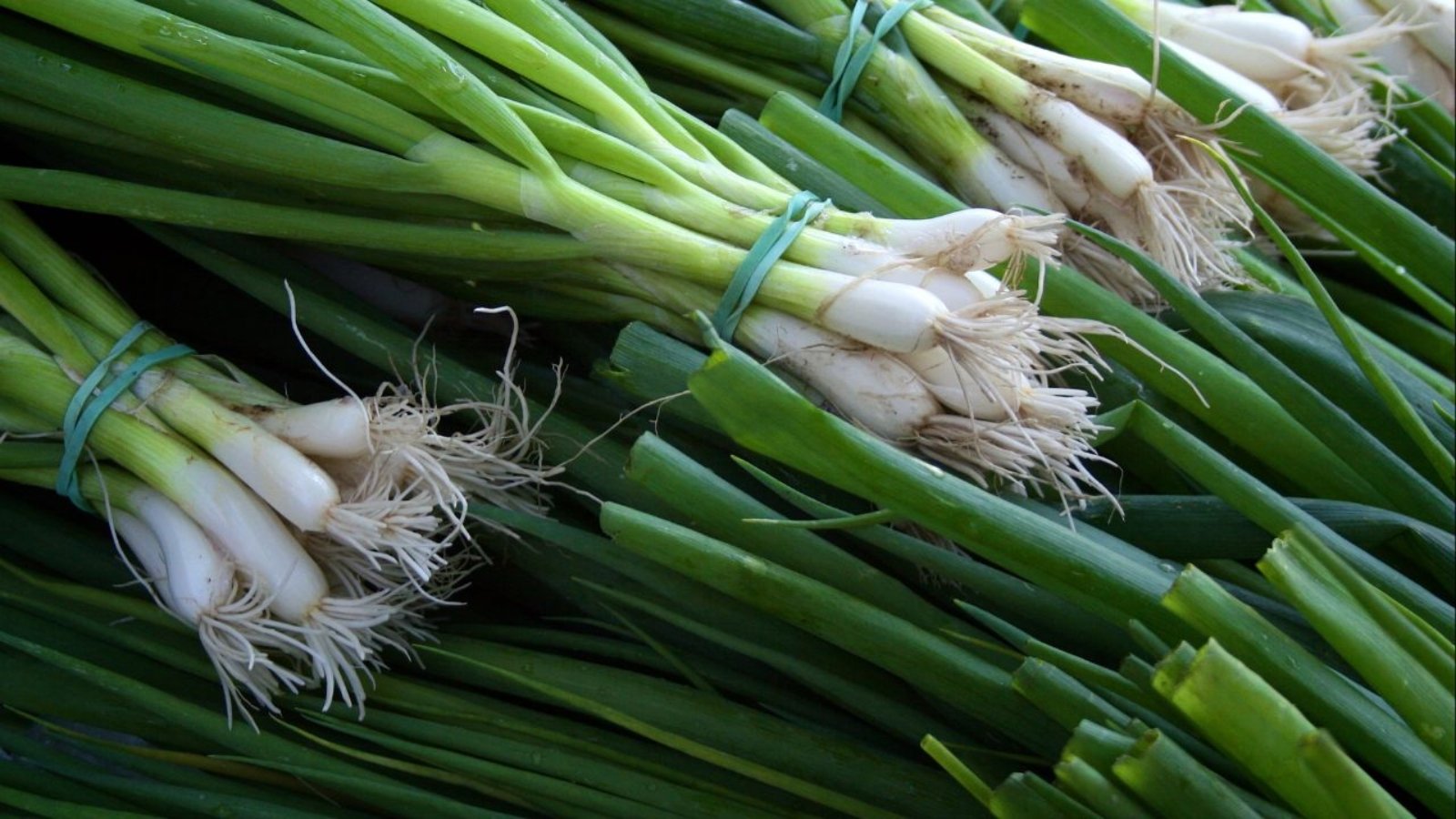
Green onions are one of the most basic items in any produce section. They’re cheap, widely used, and easy to overlook — until they’re suddenly gone or twice the price. When that happens, it catches both shoppers and businesses off guard.
This article breaks down why green onion shortages happen, who they affect, how long they tend to last, and what businesses can actually do when supply gets tight.
Why Green Onion Supply Is So Fragile
Most people don’t think much about where green onions come from. But a large share of the green onions sold in North America come from a small number of growing areas — particularly Mexicali, Mexico.
That geographic concentration is the core problem. When something goes wrong in one key growing region, it doesn’t just affect that region. It ripples through the entire supply chain, affecting distributors, retailers, and restaurants across the country.
What makes this worse is that green onions are highly perishable. Unlike storage onions, which can be held in warehouses for months, green onions have a short shelf life. There’s no stockpile to fall back on when a crop comes in short. If supply drops, buyers feel it almost immediately.
This is fundamentally different from how other onion markets work. Vidalia onions and other storage onions operate on a completely separate supply system with different growing cycles and logistics. A problem in the green onion market doesn’t necessarily mean other onion categories are affected, and vice versa.
The Real Causes Behind a Green Onion Shortage
Shortages don’t come from one single cause. Usually it’s a combination of factors hitting at the same time — or one major event exposing how little buffer exists in the supply chain.
Heat and Weather Events
Heat waves in Mexicali have caused real problems for green onion quality and yield. When temperatures spike, green onions mature too quickly. That leads to crooked shanks, excess peeling at the root, and lower overall yield per harvest. Essentially, the crop becomes harder to pack, sell, and ship.
Storm events make things worse. When Hurricane Hilary approached Mexicali, distributors warned that the combination of heat damage and incoming rain and wind would create a major shortage. Supply was expected to be extremely tight for three to four weeks, with suppliers likely struggling to fill their contracted volumes.
In another documented case, heavy rain and wind in November caused scallion yields to drop as much as 40% below normal volume in affected areas — with delayed harvests, yellowing tops, and excess mud preventing normal operations. That 40% figure reflects a single severe weather event, not a typical baseline, but it shows how quickly one storm can cut supply.
Supplier Failures
Not every shortage comes from weather. One significant disruption in the U.S. green onion market was caused when a major supplier simply went out of business. When a large player exits the market, other growers can’t step in overnight to fill the gap. The result is a sudden hole in supply that can take weeks or months to close.
This is a supplier concentration risk — and it’s separate from anything happening in the fields.
Demand Spikes
Holiday cooking seasons can push demand high enough to make an already tight supply feel like a full shortage. If supply is slightly below average and demand spikes at the same time, shelves can empty fast. Some of what shoppers experience as a “shortage” is really just normal seasonal demand meeting a supply chain with no room to flex.
How Shortages Show Up in the Market
A shortage doesn’t always look the same to everyone. The experience depends on where you are, who your supplier is, and how your local distribution center is stocked.
At the wholesale level, tightening supply shows up in price. During constrained periods, bunched green onions sold in cartons of 48 have been quoted between $18 and $24, with most sales landing around $18. That’s a meaningful jump from calmer market conditions.
Distributors signal a shortage through their language. Phrases like “extremely tight supply” or warnings that suppliers will “struggle to cover averages” mean buyers should expect to receive less than their usual contracted volumes — and pay more for what they do get.
At the retail level, the experience varies widely. In some cities, shoppers have reported green onion bunches jumping from $0.79 to $1.50 overnight and shelves sitting empty. In other cities, at the same time, shoppers report no shortage at all and normal pricing.
That regional variation is worth understanding. A green onion shortage is often local, tied to specific retailers or distribution centers, not a uniform national crisis. USDA market data has also shown periods of moderate supply and moderate demand — a reminder that shortages are episodic, not the permanent state of the market.
How Businesses Get Caught Off Guard — And What It Costs Them
For businesses that use green onions regularly — restaurants, food processors, grocery retailers — a shortage creates real operational problems, often with very little warning.
A restaurant purchasing manager might get an alert from their produce distributor saying that heat and storm damage in Mexico will cause a major shortage lasting three to four weeks. That’s not much runway to plan. Menu items that rely on green onions as a garnish or ingredient suddenly cost more to make, or the ingredient isn’t available at all.
Grocery retailers face a similar squeeze. When wholesale prices rise due to supply issues, retailers have to decide whether to raise shelf prices, absorb the margin hit, or reduce order volumes. Some retailers bring in smaller bunches to manage cost while keeping the price tag familiar to shoppers.
Distributors are caught in the middle. They’re receiving less product from growers and fielding calls from clients who expect their usual volumes. When a major supplier exits the market entirely, distributors have to scramble to find alternate sources — which takes time and often comes at a higher cost.
The financial impact is real but usually short-term. Most green onion shortages, whether weather-driven or caused by supplier exits, tend to resolve within a few weeks once growing conditions stabilize or new supply sources are secured.
What Businesses Can Do to Manage the Risk
You can’t prevent a heat wave in Mexicali or stop a major supplier from closing. But businesses can reduce how exposed they are when those things happen.
Work With More Than One Supplier
Relying on a single supplier or a single growing region is the fastest way to get caught short. Businesses that buy green onions regularly should try to build relationships with multiple growers and importers. Even if one supplier is your primary source, having a backup already in place makes a big difference when supply tightens.
Watch Market Reports Early
USDA market reports and produce trade publications publish pricing and supply data regularly. Businesses that monitor these reports can often spot tightening conditions before they become a crisis. A price creeping up over two weeks is a signal worth acting on before it doubles.
Build Price Flexibility Into Contracts
Fixed-price contracts can work against buyers when supply is disrupted. Some businesses negotiate contracts that allow for price adjustments during documented weather events or market disruptions. This gives suppliers more room to keep filling orders rather than deprioritizing fixed-price buyers during tight periods.
Have Substitutes Ready
For foodservice businesses, knowing your substitutes in advance saves time when a shortage hits. Chives, leeks, or spring onions can often replace green onions in a garnish or cooked dish. Having that list ready — and knowing which suppliers carry those alternatives — means less scrambling when supply drops.
Communicate With Customers Early
Some produce companies post directly on social media to explain weather-related shortages to their buyers and end customers. Retailers and restaurants that do the same — explaining why a product is unavailable or more expensive — tend to get a better response than those who say nothing. A brief explanation goes a long way.
For more business insights on supply chain topics and market trends, TheBizAngle covers the kinds of operational and sourcing challenges that businesses deal with every day.
The Bottom Line
Green onions are simple, cheap, and easy to take for granted. But when supply tightens — because of a heat wave, a storm, a supplier failure, or just a demand spike during the holidays — the effects move quickly through the supply chain.
The businesses that handle these situations best aren’t the ones that saw it coming every time. They’re the ones that had backup suppliers in place, kept an eye on market signals, and weren’t locked into rigid sourcing arrangements that left them with no options.
Shortages like these are usually temporary. But being unprepared for a three-week disruption can create problems that last much longer than three weeks. A little preparation makes the difference.
Also Read: